Britain · UK Today
Legislation seeking to deal with the unresolved legacy of the decades-long violent conflict in Northern Ireland is finally making its way through Westminster. The Troubles legacy bill returned to the House of Commons on Monday and MPs will continue their scrutiny of a series of government amendments on Tuesday. The long-awaited legislation will have a wide-ranging social impact, and affect almost everyone, but especially victims' families and military veterans.
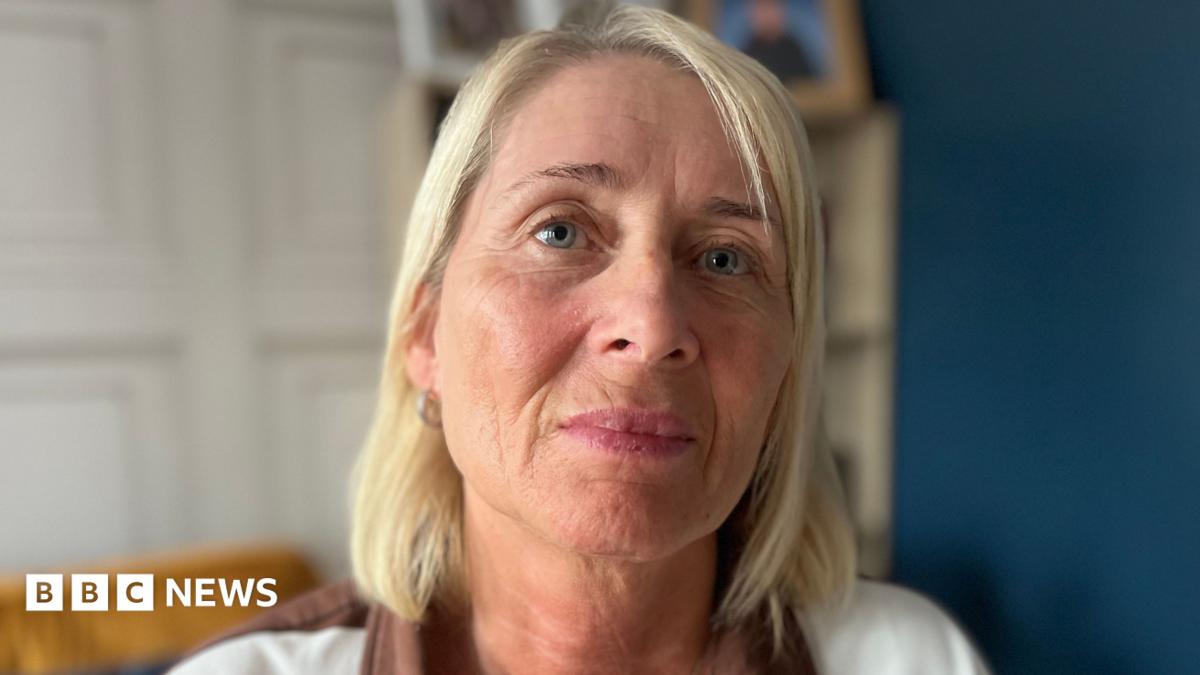
For people like Patricia Burns, whose father was shot dead by a soldier, and David Crabbe, who served in the Ulster Defence Regiment during the Troubles, the debate is especially important. Last week, the government published hundreds of amendments, including that the attorney general must provide consent for any serious prosecutions related to the Troubles under the new plan. On Monday, the Northern Ireland secretary rejected claims that planned changes to the bill amount to an "amnesty" for former soldiers.
MPs debated the bill for more than six hours on Monday evening as votes were held late into the night on the amendments. If passed, the bill, which seeks to address the unresolved legacy of Northern Ireland's violent conflict, would then move to the House of Lords for further scrutiny. Father-of-four Thomas Burns, 32, was killed as he left a social club in north Belfast in 1972.
He was hit in the chest by a soldier who opened fire from a watch tower, claiming to have seen a gunman. In 2023, it was directed that another inquest be held, but it was cut short by the then-Conservative government's Legacy Act. His daughter Patricia, who was aged six at the time of the shooting, said her family's priority was the inquest into her father's death.
"Each year that goes by is a year that we can't afford to lose," she said. "Time is of the essence here and our inquest needs to be heard." Burns described how what happened to her father had been at the "forefront of [her] mind for the past 30 years". "I can't rest until this is resolved and my daddy's name is cleared," she said.
She added that the idea of moving "future prosecutions to England and Wales is disgusting". She said she felt that people on juries there would "have no clue what went on here". "These amendments, in my opinion, are completely centred around the perpetrator, not the victim.
My daddy isn't coming into this," she said. "In my lifetime, I really hope so much that someone in government will listen to the victims in all this and please just let us move on with our lives and just draw a line under it."
Source: BBC