Britain · UK Today
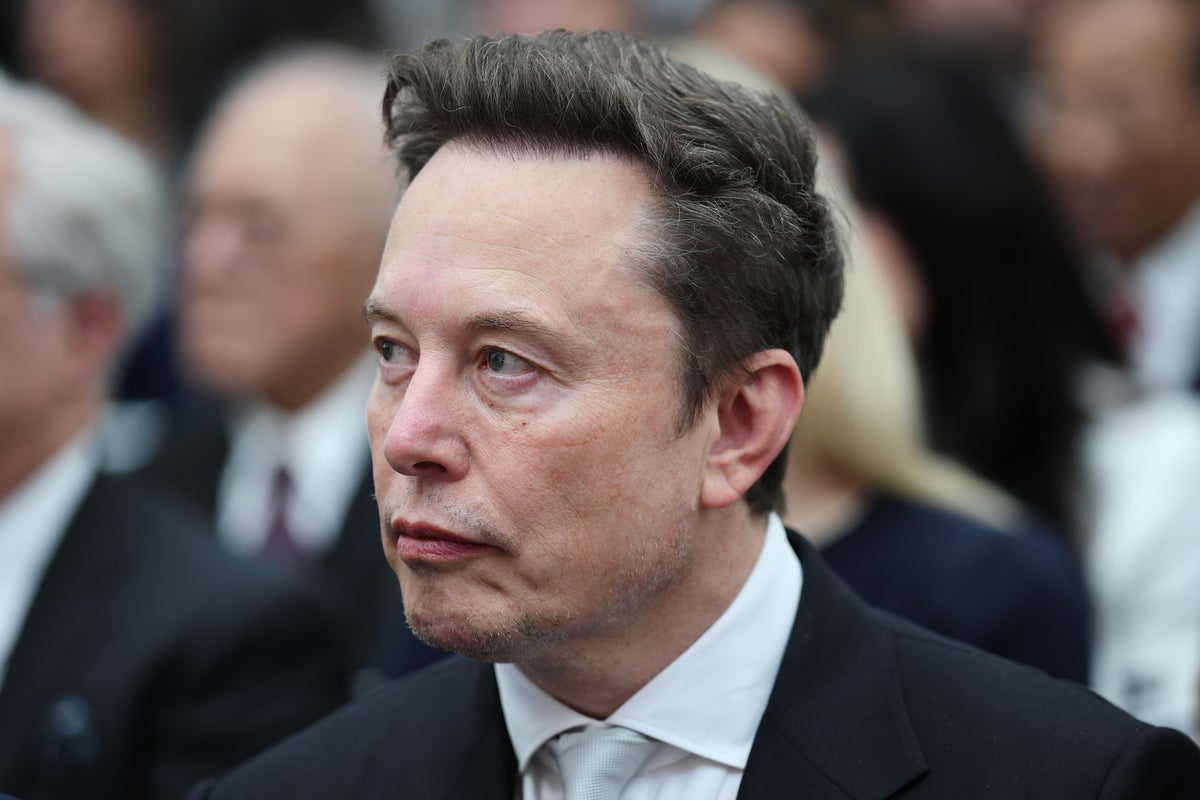
Elon Musk has thrown his support behind a potential merger between Tesla and SpaceX , a blockbuster deal that could create a $3.5 trillion technology giant spanning electric vehicles, rockets, artificial intelligence and robotics. The billionaire said Tuesday that combining his two companies made increasing sense as their operations become more closely intertwined. Tesla and SpaceX were once largely separate businesses, but Musk's expanding ambitions in AI , satellite communications, semiconductor manufacturing and even data centers in space have created growing opportunities for collaboration.
Elon Musk believes a merger between Tesla and SpaceX is a good idea, he said on Tuesday (Reuters) "I do think there's a lot of merit to combining the companies," Musk said, pointing to potential benefits in developing advanced AI software, chips, robotics and orbital infrastructure. The comments mark his clearest public endorsement of a combination that could reshape two of the world's most closely watched technology businesses. However, no formal merger agreement has been announced, and any deal would face significant regulatory and shareholder hurdles.
From electric cars to rockets — Musk's $3.5 trillion mega-company A merger would bring together Tesla's electric vehicles, battery storage, autonomous driving technology and Optimus humanoid robots with SpaceX's rocket launches, Starlink satellite internet service and ambitious plans for space-based computing. The combined business could be worth approximately $3.5 trillion, putting it among the world's most valuable companies. Tesla Cyber Trucks lead the way as the SpaceX Starship spacecraft rolls out toward the launch pad before its 11th test flight from the company's complex in Starbase, Texas (Reuters) Tesla shareholders would gain exposure to SpaceX's growing satellite and launch operations, while SpaceX investors would acquire a stake in Tesla's automotive, energy and robotics businesses.
The deal could also give Musk greater control over how resources are distributed between projects that increasingly depend on one another. Musk owns nearly a fifth of Tesla and holds voting control at SpaceX. He has previously argued that he needs greater influence over Tesla to pursue its AI and robotics ambitions.
But critics could question whether merging two sprawling businesses would expose investors to additional financial and operational risks. Robotaxis, humanoid robots and data centers in space The potential merger comes as Musk pushes forward with projects that could benefit from closer cooperation between the companies. SpaceX's Starlink satellites could provide communications links for Tesla robotaxis and future generations of Optimus humanoid robots.
Tesla Cybertrucks are parked outside of a SpaceX installation in Starbase (Reuters) Tesla's batteries and energy-storage systems could also help power SpaceX facilities and future data centers. The companies are already collaborating on Terafab, an ambitious semiconductor manufacturing project intended to produce advanced chips for autonomous vehicles, robots and AI computing. Musk hopes the project can begin large-scale chip production by late 2028.
Tesla's expertise in automated manufacturing could also help SpaceX expand production of its Starship rocket, while SpaceX technology has been incorporated into plans for Tesla's next-generation Roadster. Combining the companies could allow Musk to coordinate those efforts under a single corporate structure rather than seeking approval from separate boards and investors. China's shadow looms over Musk's proposed empire Despite the potential benefits, a merger could trigger intense scrutiny from regulators and national-security officials.
SpaceX is a major contractor for NASA , the US military and intelligence agencies , handling sensitive government projects. Elon Musk holds a mobile phone as he arrives to attend a state banquet with President Donald Trump and Chinese President Xi Jinping at the Great Hall of the People in Beijing (Reuters) Tesla, meanwhile, has substantial manufacturing and commercial operations in China , including its major Shanghai factory. Bringing the companies together could raise concerns in Washington and Beijing about security, technology transfers and competing national interests.
Shareholders would also have to consider questions surrounding Musk's voting control, potential conflicts of interest and how the combined company would allocate billions of dollars across its various projects. And while merging Tesla and SpaceX could streamline decision-making, it would not eliminate the enormous technical and financial challenges facing Musk's ambitions. Starship, self-driving vehicles, humanoid robots and orbital data centers all remain costly projects with uncertain commercial outcomes.
For now, Musk has publicly endorsed the idea of combining his two flagship companies — but whether investors and regulators would support a $3.5 trillion merger remains an open question.
Source: The Independent